
Executing Biologics Technology Transfer through Integrated Operating Models
As biologics modalities diversify and processes grow complex, the success of tech transfer depends on integrated execution rather than each procedural completion.
As biologics modalities diversify and processes grow complex, the success of tech transfer depends on integrated execution rather than each procedural completion.


Here are the best disaster recovery solutions for health care organizations.


Healthcare payments are no longer about transactions. It’s about controlling the revenue cycle. And increasingly, that control is not sitting with ISOs.

Organizations need to take a proactive approach to identify, prioritize and mitigate threats in real time. This means gaining visibility and control into all physical and virtual assets.

This approach positions senior healthcare leaders to not just manage costs effectively but transform AI from a cost center into a powerful strategic advantage.
Healthcare providers and vendors are learning the hard way that hackers are relentless and resourceful, constantly adjusting tactics and tools and using new technology, including AI, to launch more sophisticated attacks.

A strategic orientation that leans into emerging value, even when this challenges our assumptions about who we are and what we do and the niche we do it in, enables organizations to make distinctive contributions sought by others.
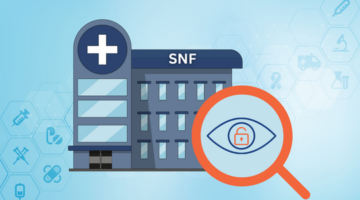
What if health plans could identify member decline before an avoidable hospitalization occurs? Real-time clinical visibility into long-stay SNF members uncovers risk earlier and drives better outcomes.

While AI continues to advance, the healthcare industry requires a level of accuracy, understanding, and confidentiality that only well-trained human transcriptionists can consistently provide.

The use of LLMs in healthcare is still incredibly nascent, so many experts are calling for a safety framework to make this uncharted territory feel safer. There are still a lot of unknowns, but avoiding clinical use cases and not inputting patients’ health information seem to be the most important guardrails providers are putting around LLMs at the moment.

Data can help healthcare facilities improve patient safety, but first, healthcare leaders need to bring data from multiple sources together using a common taxonomy.

Travel nurses provide critical relief during staffing shortages and use of these professionals has increased in recent years. With this increase comes new and emerging risks. A review of closed malpractice claims data at Coverys reveals the top areas of vulnerability for travel nurses differs from other healthcare providers.

Healthcare decision-makers, especially at pharmaceutical companies, must prioritize patient input. Data collected from social media listening is a significant step in the right direction.

Nurses face challenges that put themselves and their patients at risk. Using closed claim data, Coverys identified nursing risk trends. A full report, including recommendations, will be released this year.

The report, Resilience in volatility: Modernizing the supply chain, highlights three areas that Fortune 500 and mid-size companies need to address to implement technology such as machine learning, cloud computing and risk management tools to improve production and delivery.

The report, Resilience in volatility: Modernizing the supply chain, highlights three areas that Fortune 500 and mid-size companies need to address to implement technology such as machine learning, cloud computing and risk management tools to improve production and delivery.

Despite best efforts and protection from federal and state immunity, you need to be prepared to defend Covid-19 related claims. Coverys offers guidance on how you can mitigate the impact.

Take a few moments to consider the importance of the documentation of your medical device company.